As my child and I wandered the historic streets of Edinburgh, we stumbled upon Greyfriars Kirkyard quite by accident. Little did we know, this unassuming graveyard would soon reveal its dark and haunting secrets.
Our first visit to the kirkyard was during a guided tour, where our guide regaled us with tales of the famous names that had inspired J.K. Rowling’s Harry Potter series. We marveled at the gravestones of characters like “Tom Riddell” and “William McGonagall” – the latter being one of the worst poets in Scottish history, according to our guide.
Find the name of character in Harry Potter’s storyTour ends standing in front of this
The atmosphere in the kirkyard was already eerie, with its weathered tombstones and gnarled trees casting long shadows. But the real chills came when our guide mentioned the infamous Mackenzie Poltergeist. This vengeful spirit, said to haunt the resting place of the notorious 17th-century lawyer George Mackenzie, was reported to attack unsuspecting visitors, leaving them with scratches, bruises, and even blackouts.
As the sun began to set, we hurried out of the kirkyard, our imaginations running wild with thoughts of the poltergeist’s wrath.
Little did we know, our encounter with the supernatural was far from over. On the day I was set to fly back to Singapore, my child and I found ourselves drawn back to Greyfriars Kirkyard. There, we stumbled upon the grave of Greyfriars Bobby – the loyal Skye Terrier who, legend has it, guarded his master’s grave for 14 years after the man’s death.
The sight of Bobby’s grave, with its shiny, well-worn nose from visitors seeking good luck, was both heartwarming and eerie. It was a poignant reminder of the power of devotion, even in the face of death.
As I stood there, I couldn’t help but feel a chill run down my spine. Was the Mackenzie Poltergeist lurking nearby, ready to strike? I quickly snapped a photo of a weathered skull carved into a nearby tombstone, a memento mori to remind me of the fragility of life.
Can you guess the meaning of the skull
Our visits to Greyfriars Kirkyard had left an indelible mark on us, a haunting reminder of the dark history and supernatural forces that still linger in this ancient place of rest. As I boarded my flight, I couldn’t help but wonder what other ghostly tales the kirkyard might have in store for the unsuspecting traveler.
While some cities trace their origins to ancient Rome, Edinburgh owes its cultural identity more to Scotland’s intellect than military might. Often deemed the “Athens of the North”, this capital has long been a hub of philosophy and learning in the same spirit as Greece.
Nowhere is this legacy clearer than on Calton Hill, where a colossal statue of Greece’s pioneering thinker Aristotle stands tall. His presence represents the triumphs of reasoning and enlightened thought that Scotland came to champion through influential figures like David Hume and Adam Smith.
This tradition can be traced back to Alexander the Great, whose ferocity on the battlefield was matched only by his brilliant military tactics. Legend tells how even the wildest of horses, Buscephalas, was tamed by Alexander’s cunning wits rather than brute force alone. For Scots, this epitomizes their belief that ideas can conquer all.
wildest of horses, Buscephalas
Though small in size, Scotland’s impact on the world through cultural and intellectual exports has been hugely disproportionate. Even towering over Calton Hill, the unfinished National Monument stands as a symbol of grand ambitions achieved through the power of imagination and ingenuity rather than brawn alone.
So while other cities celebrate empires built on dominion, Edinburgh takes pride in the thinkers, artists and innovators who have advanced society through alternative means. The spirit of creativity, discovery and progressive thinking that defined the Scottish Enlightenment still permeates these streets to this day.
The Curious Case of the Edinburgh Market Cross
As I approach the historic market cross in the heart of Edinburgh, I can’t help but be struck by its curious nature. This little turret, which one must navigate around to reach it, stands as a relic of a bygone era. Once the focal point of the city’s bustling marketplace, it now seems almost out of place amidst the modern shops and pedestrians.
In days of old, this was where criminals would be punished, their ears nailed to the cross as a public spectacle. Hardly a pleasant way to spend one’s day, but it served as a stark warning to would-be wrongdoers. More importantly, however, the market cross was a hub of information dissemination. As shoppers went about their business, they would receive the latest news and announcements shouted from the top of the structure by town criers.
This tradition, though now largely symbolic, persists to this day. Even in the modern age, when news travels at the speed of the internet, Edinburgh clings steadfastly to its historical customs. Just three days after the passing of Queen Elizabeth II, a man dutifully climbed atop the market cross to inform the public of the monarch’s death. Similarly, when King Charles III was crowned, another individual made the ascent to declare the new sovereign’s accession to the throne. The reasoning behind these delayed proclamations is equally curious.
Apparently, it was once necessary to allow three days for the news to travel from London to Edinburgh by horse. Nowadays, of course, such a delay is entirely unnecessary, yet the tradition endures.
One can’t help but wonder if the good people of Edinburgh derive a certain sense of pride and identity from these quaint, archaic practices, even as they may seem utterly nonsensical to the outside observer. In the end, the market cross stands as a testament to the enduring power of tradition, a reminder that some things are worth preserving, even if their original purpose has long since faded into obscurity.
Following the passing of Queen Elizabeth II in Scotland, it took three days for the news to travel from the location of her death to the church where she was laid to rest. This delay seems quite ridiculous and out of step with modern communication capabilities.
In Edinburgh, there is a site known as the “Heart of Midlothian” which was the location of a former prison and tax office that was despised by the local population. Tradition held that people would spit on the door of the building as they walked by, as a sign of disrespect for the authorities. This tradition continues today, even though the building has been demolished
As a high-ranking Presbyterian, thel Presbyterianism is the national faith of Scotland. It is our national religion. But is Presbyterianism a prestigious denomination?
England had already adopted the lion as its heraldic symbol, so the Scots naturally chose the unicorn as theirs. On the royal coat of arms, the unicorn is placed on the left side, which in heraldic tradition signifies it as the more important or dominant symbol. The lion is relegated to the right side. This arrangement reflects the historical rivalry and power dynamics between the two nations that make up the United Kingdom.
Similarly, the religious iconography and architecture of places like St Giles’ Cathedral in Edinburgh, a historic Presbyterian church, evoke a bygone era that may seem out of step with modern sensibilities. These traditions and symbols, while steeped in history, can appear increasingly irrelevant or even antagonistic in the present day.
The Wars of Independence began in the late 13th century, as England and Scotland fought over the governance of Scotland. This is where we fought to maintain Scotland’s independence from England. At the very beginning of these wars, the king at the time, Robert the Bruce, sent a letter to the Pope in Rome, asking him to tell the English to stop invading Scotland.
However, Hume faced opposition from the Presbyterian church, who did not approve of his atheism. He was never employed by Edinburgh University due to his lack of religious beliefs, despite being considered one of the greatest thinkers in the English language.
Hume was known for his love of pub life and socializing. There is a tradition among Edinburgh University philosophy students of jokingly running around his statue, believing it will bring them good luck on exams, as Hume was a skeptic who did not believe in superstition.
Imagine Edinburgh in the 16th and 17th centuries, a time when the city was densely packed and full of hazards. While these buildings may not impress compared to modern New York skyscrapers, back then, they were towering structures that housed both the rich and poor under one roof. The wealthy lived on the top floors, while the lower levels were occupied by the poor. This arrangement was intended to reduce crime, as robbing a neighbor was seen as bad manners in polite Edinburgh society.
However, for those determined to steal, it was easy to target the top floors where the wealth was concentrated. To deter thieves, many buildings, including those in the Old Town, were equipped with “trip steps”—one step in the staircase that was slightly off, causing anyone fleeing with stolen goods to trip and alert the residents.
Well, a high kirk is essentially a cathedral, but Presbyterians would not call it that, as the term is slightly too Catholic for their tastes. These are a very Protestant group who wanted nothing to do with the Roman Catholic Church. However, you can call St. Giles’ a cathedral, as it has served that function for 900 years, predating the Presbyterian religion by 400 years. But this version of the church was very consequential to the Scottish story. This church has shaped us into the people we are today to a very large extent.
Behind us is the Writers’ Museum, once a residence, which still has a trip step. Today, it’s painted white and marked with a sign, but people still trip over it. The museum celebrates Edinburgh’s literary heritage, being the world’s first UNESCO City of Literature since 2004. The museum is dedicated to three key writers:
1. Walter Scott – Though less famous today, Scott is credited with inventing the idea of Scotland that we know today. He popularized the romantic image of Scotland with his historical novels, influencing how the world perceives the country. 2. Robert Louis Stevenson – Famous for Treasure Island and The Strange Case of Dr. Jekyll and Mr. Hyde. The latter is often seen as an allegory for Edinburgh itself, with its dual nature of the Old Town (medieval and dark) and the New Town (modern and enlightened). 3. Robert Burns – Scotland’s national poet, Burns was a man of the people, writing in the Scots language at a time when the Enlightenment elite preferred English. Despite his fame, Burns never kept his wealth, supporting multiple families and his community instead.
Trip steps
Do they write on the windows?
Instead of a painted bar top, you have a poem about a barn. Okay, fair enough. As for this, poetry is five parts. I love it. It sounds like you’re saying “Burns,” but it’s spelled “Burns.” The Scottish poet we should have listened to, not born. I’ll give you that, so you can get a sense of what the Scottish language sounds like and what part Portuguese plays in it. I love that. I’m talking about a rendition of one of Burns’ poems. Burns’ poetry generally focuses on three main themes: nature, since he was a farmer and closely connected to the natural world; women, as he wrote many poems about love; and social commentary, as he often wrote about the lives of common people.
Burns often wrote about three main themes: women, nature, and drinking. He loved spending time at the pub, and his poetry reflects this. One of his famous poems, “To a Mouse,” captures his deep empathy for the natural world. In the poem, a farmer accidentally destroys a mouse’s nest while plowing his field. The farmer, representing Burns, apologizes to the mouse for the destruction. The poem is an apology from humankind to nature for the damage we cause, showing Burns’s forward-thinking view of environmental issues, long before they were widely recognized.
The line “I’m truly sorry man’s dominion has broken nature’s social union” highlights this sentiment, emphasizing that humans and animals share the same struggles in life. This is where the famous phrase “the best-laid plans of mice and men” originates, illustrating that both humans and animals face similar challenges.
Burns is celebrated every year on January 25th, known as Burns Night. It’s a time to gather with friends and family, enjoy haggis, and read Burns’s poems. Haggis, Scotland’s national dish, is made from sheep’s heart, liver, and lungs, mixed with oats and spices, then boiled in the sheep’s stomach. Despite its humble ingredients, it’s delicious and traditionally served with neeps (turnips) and tatties (potatoes). There’s also a vegetarian version made from kidney beans, but nothing beats the original.
—
Burns often wrote about three main themes: women, nature, and drinking. He loved spending time at the pub, and his poetry reflects this. One of his famous poems, “To a Mouse,” captures his deep empathy for the natural world. In the poem, a farmer accidentally destroys a mouse’s nest while plowing his field. The farmer, representing Burns, apologizes to the mouse for the destruction. The poem is an apology from humankind to nature for the damage we cause, showing Burns’s forward-thinking view of environmental issues, long before they were widely recognized. The line “I’m truly sorry man’s dominion has broken nature’s social union” highlights this sentiment, emphasizing that humans and animals share the same struggles in life. This is where the famous phrase “the best-laid plans of mice and men” originates, illustrating that both humans and animals face similar challenges. Burns is celebrated every year on January 25th, known as Burns Night. It’s a time to gather with friends and family, enjoy haggis, and read Burns’s poems. Haggis, Scotland’s national dish, is made from sheep’s heart, liver, and lungs, mixed with oats and spices, then boiled in the sheep’s stomach. Despite its humble ingredients, it’s delicious and traditionally served with neeps (turnips) and tatties (potatoes). There’s also a vegetarian version made from kidney beans, but nothing beats the original.
I don’t believe we should stop all building, as creativity in architecture is important. However, I don’t think we should build in the Shepherds area – that’s a separate issue.
This building in Ramsay Gardens was designed by Patrick Geddes, one of the world’s first town planners. Geddes argued that cities need to retain their character, so he saved Edinburgh’s historic Old Town from being demolished. He designed this building to be both functional and beautiful.
The building has been popular with Airbnb guests who can watch the Edinburgh Tattoo from the windows. It’s named after the Enlightenment poet Allan Ramsay.
The nearby Balmoral Hotel was built for Waverley Station, so travelers could conveniently stay there before their train journeys. The hotel’s clock is famously inaccurate, running 4 minutes fast to encourage people to hurry to the station.
On the hill above, the unfinished Greek-style monument was meant to honor soldiers from the Napoleonic Wars, but it was never completed due to lack of funding from the cheap Scottish people. However, the view from Calton Hill is still beautiful, especially at sunset.
The time ball tower, which used to drop a ball at 1pm to help ships set their clocks, is now broken. The 1 o’clock gun from the castle still fires, but the time ball no longer drops. This quirky Edinburgh tradition has fallen into disrepair.
—
Edinburgh is home to the Honors of Scotland, which include the Crown, the Sword of State, and the Sceptre. The fourth element, the Stone of Destiny, is also known as the Stone of Scone. We’ll discuss the Stone of Destiny separately, but first, let’s focus on the Crown, Sword, and Sceptre.
After the Battle of Culloden in 1746 and the introduction of the Dress Act, which banned Scottish culture, the Honors of Scotland lost their significance. They were lost and forgotten for 80 years until George IV, a fan of Sir Walter Scott, came to the throne. George IV loved the romanticized version of Scotland in Scott’s books and wanted to see it firsthand.
Edinburgh hadn’t hosted a king in nearly 200 years, so Walter Scott was tasked with organizing George IV’s visit. Scott not only organized a grand parade but also rediscovered the long-lost Honors of Scotland in Edinburgh Castle. He had them renovated and presented them to the king, reviving Scottish traditions and sparking renewed interest in Scottish culture.
George IV’s visit in 1822 marked the revival of Scottish traditions, including kilts and bagpipes. The king himself, unfamiliar with real kilts, arrived in Edinburgh wearing a mini skirt and bright pink tights, much to the amusement of the city.
The Stone of Destiny, which Scottish kings were traditionally crowned on, was stolen by Edward I of England in 1296. It remained in Westminster Abbey until 1950 when four Glasgow University students, frustrated by its absence, decided to steal it back. They broke the stone during the heist and had to hide it in Kent before returning it to Scotland. The stone was eventually repaired and returned to Scotland, becoming a symbol of Scottish pride and resilience.
The students who stole the Stone of Destiny returned it to Scotland and left it at Arbroath Abbey, covered with a Scottish flag and a note stating it belonged to the Scottish people. However, the authorities took it back to London, where it remained until 1996.
In 1996, when Scotland reopened its Parliament, the Stone was finally returned to Edinburgh. It was met by a Scottish guard and piped into Edinburgh Castle to the tune of the Mission Impossible theme. This marked the end of the Stone’s 700-year absence from Scotland.
Despite its return, controversy surrounds the Stone. Some believe the original Stone was never recovered and that the one returned was a fake. Others think the real Stone was hidden, with various claims about its whereabouts, including a pub in Glasgow that purports to have it.
In addition to the Stone’s story, Edinburgh’s Greyfriars Kirkyard has literary connections. Charles Dickens, visiting in the 19th century, allegedly misread a gravestone for Ebenezer Scroggie as Ebenezer Scrooge, inspiring the character from “A Christmas Carol.” J.K. Rowling drew on similar themes for names in the Harry Potter series.
One notable figure buried in Edinburgh is William McGonagall, Scotland’s worst poet, known for his dreadful poetry despite his passion. Here’s a snippet from one of his better works:
“Over yonder on a hill, There was a cow, but now it’s still.”
William McGonagall, Scotland’s infamous poet, faced rejection wherever he went. In Edinburgh, people ignored his poetry, and in New York City, he was met with similar indifference. Despite this, McGonagall returned to Edinburgh and embarked on a grueling 150-mile walk to Balmoral Castle, hoping to gain recognition from Queen Victoria. Instead, he was beaten and sent away.
McGonagall’s ambition was unshaken. Today, he is celebrated for his dreadful poetry, which is now appreciated for its humor. His books sell well, not for their quality, but because they’re amusingly bad. McGonagall’s story is a testament to pursuing one’s dreams despite setbacks. His persistence turned him into an unlikely hero and a role model for anyone with aspirations.
Whether you want to be a poet, a musician, or anything else, take McGonagall’s example to heart: follow your passion, no matter what others say. Success might come in ways you never expected, even if it’s only after you’re gone
.
Edinburgh’s Unique History and Geography
Edinburgh’s landscape has significantly shaped its development. The city is built around the remnants of an ancient volcano, with Edinburgh Castle sitting atop its basalt plug. The Ice Age glaciers carved out the land, forming what is now the Royal Mile, a ridge that slopes from the Castle down to Holyrood. The geography provided natural defenses, which helped Edinburgh grow and remain centralized for over 3,000 years.
In 1513, Scotland launched an ill-fated invasion of England, which ended disastrously for the Scots. The Scottish King, James IV, was killed, and his body was sent to London as proof of Scotland’s defeat. Fearing a counter-invasion, the Scots built the Flodden Wall around Edinburgh, which confined the city for 200 years. During this time, the population was packed within the walls, leading to the construction of some of the tallest buildings in Europe at the time.
The city’s lack of plumbing, combined with overcrowding, turned Edinburgh into a notoriously filthy place. Waste was collected in buckets and thrown out of windows onto the streets below. To manage this, a law was introduced requiring waste to be thrown out only after 10 PM, leading to a nightly flood of sewage on the streets. This timing coincided with pub closing hours, meaning the only people on the streets were often drunk, giving rise to the phrase “shit-faced.”
This mix of history and mythology is part of what makes Scotland unique. Whether or not all these tales are entirely true, they reflect the spirit of Edinburgh—a place where reality and legend often intertwine
These windows overlook the streets leading down to what is now a garden, but in the 16th and 17th centuries, it was the Nor Loch, also known as the North Lake. It wasn’t a lake but a filthy body of water filled with the city’s sewage, dead bodies, and disease. This polluted water served as a natural defense on Edinburgh’s north side.
The Old Town was overcrowded, with buildings frequently collapsing, making it one of the most dangerous and unsanitary places on Earth. To escape these conditions, Edinburgh’s wealthy residents moved to the New Town in the 18th century, leaving the poor behind in the Old Town’s poverty and decay.
This created a lasting divide in Edinburgh’s character—a city of duality. The Old Town represents the medieval past, while the New Town embodies the Georgian era. This division is still evident today, symbolizing the contrast between Scotland and Britain, and between the old and the new.
During the Enlightenment, Edinburgh not only transformed itself but also led the world into the modern age—a remarkable achievement for Scotland.
Scotland’s religious and political landscape changed significantly after King James VI of Scotland became King of England in 1603. The Scottish aristocracy and political class moved to London, leaving a void in Edinburgh. This allowed academics and freethinkers like David Hume to flourish, as there was no authority to tell them what to think.
The Greek temple in Scotland is an interesting historical site. It was originally the Scottish Parliament building, constructed in 1630 and used until the Act of Union in 1707 when governance of Scotland moved to Westminster in London. Prior to being the Parliament, this area was the graveyard for Edinburgh. When the building was constructed, most of the graves were exhumed and relocated, except for one person who remains buried under parking space #23. While the Greek-style architecture may seem out of place in Scotland, it reflects the country’s rich cultural heritage that extends beyond just English or Scottish traditions. This building serves as a unique example of Scotland’s history and identity.
John Knox was the foremost leader of the Scottish Reformation and the founder of Scottish Presbyterianism. As a Presbyterian, Knox believed in the authority of the Bible and the direct relationship between individuals and God, without the need for intermediaries like the Pope or a king. Knox was influenced by the teachings of Protestant reformer George Wishart, and after Wishart’s execution, Knox became a prominent preacher of the Reformation in Scotland. He helped establish the constitution and liturgy of the Reformed Church of Scotland. Knox’s theology emphasized the importance of education, and he was a driving force behind efforts to educate the Scottish people.
The Presbyterians believed that the Scots are God’s chosen people – a notion that often elicits confusion and amusement, as we may not instantly appear recognisable as God’s chosen. There is certainly a lot of drinking and swearing going on, but we do consider ourselves God’s elect. This idea goes back to the period in Scotland known as the Wars of Independence. These wars rumbled on for around 400 years, with no definitive start or end.
This letter claimed that the Scots are a much more ancient people than the English, and that we had been running our own country for thousands of years before the English even became a people, and that we did not need them coming up here and ruling our country for us. This letter is very famous in Scotland, known as the Declaration of Arbroath. It is a focal point for Scottish independence, as the Declaration claims that as long as there are 100 Scots alive, we would never, under any condition, come under the rule of the English. It states that it is not for money, power or glory that the Scots fight, but for freedom alone. —Learn more:
The Presbyterian practices are similar to Roman Catholic practices, with some differences. The main difference is in the handling of the communion elements – the Presbyterians do not consume the head, just the bread and wine.
There is a Presbyterian general assembly that meets annually, where the church president discusses larger theological and practical matters. The Presbyterian church in Northern Ireland has a complex history, as it was used by the Scottish king James VI to help subdue the local Catholic population through the Plantation of Ulster. The Presbyterians sent to Northern Ireland were specifically chosen for their ideological opposition to Catholicism, to ensure they would not assimilate with the local population. This is a major factor in the ongoing sectarian tensions and “Troubles” in Northern Ireland.
Let’s grab a fake cocoa pod to demonstrate how it should be done. For example, when cracking open a pod, you’d hold it like this, and when you break it apart, it would look something like this. The beans inside will be sticky and white at first—if they’re white and sticky, they’re ripe. If they’re still red, they’re not ready for harvesting yet.Now, take a look at this pod. Obviously, this one is a fake, so the beans are white. But in reality, these are fruits, and yes, you can use them to convince yourself that chocolate is good for you!
While the fruit itself isn’t used in the chocolate-making process, it does play a part in the initial stages. We’ll talk more about that later.If you’ve had chocolate before, you might not realize that the beans go through quite an extensive process before they reach our shops. Typically, there are about 40 beans in each pod.Once the beans are taken off the tree and are ready, they move on to the next part of the process: fermentation. The beans are removed from the pods and placed in fermentation boxes, where they’re covered with banana leaves and left to ferment for a few days.
During fermentation, a liquid is produced. Does anyone know what that liquid is? It’s alcohol! While we don’t drink it, some species do—like spider monkeys. These monkeys have figured out that these boxes create alcohol, and they treat it like their personal bar. It’s quite funny to watch, so much so that if you see someone acting a bit wild, you might start calling them a “cacao monkey.”
After fermentation, the beans are placed in drying boxes and left in the sun for about 5 to 10 days. This dries out the beans, making them less sticky and preparing them for the next stage of the journey to our shops.
Once the beans are dried, they move along a chain of distribution. First, they go to a local cooperative, then to a local trader, followed by a distributor who ships them overseas to places like the UK or the USA. From there, they’re sold to wholesalers, then manufacturers, and eventually chocolatiers, before finally ending up in our shops.To give you some perspective, a farmer like Maria might harvest around 10,000 cocoa pods a year, which would produce about 18,000 chocolate bars.
But despite all this hard work, how much do you think Maria earns per year? The sad reality is that she makes very little—about £320 a year. That’s barely enough to live on.Thankfully, there are trade systems in place to help farmers like Maria.
You’ve probably heard of Fair Trade, which is great because it gives farmers about 20% more profit.
But there are other systems too, like Direct Trade.Direct Trade is especially beneficial because it cuts out many of the middlemen, allowing chocolatiers to work directly with farmers like Maria. This reduces the chances of farmers getting involved in illegal activities like coca farming and ensures better quality beans. It also creates more job opportunities and helps farmers earn a better income.
Then there’s Rainforest Alliance certification, another great trade system that raises trade by about 150% and helps reduce child labor in the chocolate industry, which is still a significant problem. Rainforest Alliance is good at ensuring that the farmers see more of the profits from their hard work.
Now, let’s talk about big chocolate distributors like Dairy Milk. They produce a vast number of chocolate bars and have to source their beans from all over the world—from Brazil, Africa, and even Hawaii. When you eat a chocolate bar from a big company, the beans have likely been mixed from different regions to create a consistent flavor profile, like 70% cocoa, for example.However, if you’ve ever tried single-origin chocolate, you’ll notice it has a much more distinct flavor. This is because the beans come from one place, such as Ecuador, Fiji, or Peru. The flavor of the chocolate is influenced by the soil and climate of that region. For instance, beans from a region that grows a lot of fruit might taste naturally sweeter, while those from a coffee-growing area might have a smokier flavor.Single-origin chocolate is fascinating to try because it really lets you taste the unique characteristics of the region where the beans were grown.
While some cities trace their origins to ancient Rome, Edinburgh owes its cultural identity more to Scotland’s intellect than military might. Often deemed the “Athens of the North”, our capital has long been a hub of philosophy and learning in the same spirit as Greece.
Nowhere is this legacy clearer than on Calton Hill, where a colossal statue of Greece’s pioneering thinker Aristotle stands tall. His presence represents the triumphs of reasoning and enlightened thought that Scotland came to champion through influential figures like David Hume and Adam Smith.
This tradition can be traced back to Alexander the Great, whose ferocity on the battlefield was matched only by his brilliant military tactics. Legend tells how even the wildest of horses, Buscephalas, was tamed by Alexander’s cunning wits rather than brute force alone. For Scots, this epitomizes their belief that ideas can conquer all.
Though small in size, Scotland’s impact on the world through cultural and intellectual exports has been hugely disproportionate. Even towering over Calton Hill, the unfinished National Monument stands as a symbol of grand ambitions achieved through the power of imagination and ingenuity rather than brawn alone.
So while other cities celebrate empires built on dominion, Edinburgh takes pride in the thinkers, artists and innovators who have advanced society through alternative means. The spirit of creativity, discovery and progressive thinking that defined the Scottish Enlightenment still permeates these streets to this day.
The Curious Case of the Edinburgh Market Cross
As I approach the historic market cross in the heart of Edinburgh, I can’t help but be struck by its curious nature. This little turret, which one must navigate around to reach it, stands as a relic of a bygone era.
Once the focal point of the city’s bustling marketplace, it now seems almost out of place amidst the modern shops and pedestrians. In days of old, this was where criminals would be punished, their ears nailed to the cross as a public spectacle. Hardly a pleasant way to spend one’s day, but it served as a stark warning to would-be wrongdoers. More importantly, however, the market cross was a hub of information dissemination. As shoppers went about their business, they would receive the latest news and announcements shouted from the top of the structure by town criers.
This tradition, though now largely symbolic, persists to this day. Even in the modern age, when news travels at the speed of the internet, Edinburgh clings steadfastly to its historical customs. Just three days after the passing of Queen Elizabeth II, a man dutifully climbed atop the market cross to inform the public of the monarch’s death. Similarly, when King Charles III was crowned, another individual made the ascent to declare the new sovereign’s accession to the throne. The reasoning behind these delayed proclamations is equally curious.
Apparently, it was once necessary to allow three days for the news to travel from London to Edinburgh by horse. Nowadays, of course, such a delay is entirely unnecessary, yet the tradition endures. One can’t help but wonder if the good people of Edinburgh derive a certain sense of pride and identity from these quaint, archaic practices, even as they may seem utterly nonsensical to the outside observer. In the end, the market cross stands as a testament to the enduring power of tradition, a reminder that some things are worth preserving, even if their original purpose has long since faded into obscurity. –
Following the passing of Queen Elizabeth II in Scotland, it took three days for the news to travel from the location of her death to the church where she was laid to rest. This delay seems quite ridiculous and out of step with modern communication capabilities. There are a number of curious traditions and symbols associated with the British monarchy and its history that also appear somewhat antiquated in the present day.
For example, the market cross in Edinburgh displays the figure of a unicorn, which is the national animal of Scotland. This harks back to an ancient story of the lion and the unicorn engaged in an eternal battle over the crown of the animal kingdom.
England had already adopted the lion as its heraldic symbol, so the Scots naturally chose the unicorn as theirs. On the royal coat of arms, the unicorn is placed on the left side, which in heraldic tradition signifies it as the more important or dominant symbol. The lion is relegated to the right side. This arrangement reflects the historical rivalry and power dynamics between the two nations that make up the United Kingdom.
Similarly, the religious iconography and architecture of places like St Giles’ Cathedral in Edinburgh, a historic Presbyterian church, evoke a bygone era that may seem out of step with modern sensibilities. These traditions and symbols, while steeped in history, can appear increasingly irrelevant or even antagonistic in the present day.
As a high-ranking Presbyterian, I must say that Presbyterianism is the national faith of Scotland. It is our national religion. But is Presbyterianism a prestigious denomination? Well, a high kirk is essentially a cathedral, but Presbyterians would not call it that, as the term is slightly too Catholic for their tastes. These are a very Protestant group who wanted nothing to do with the Roman Catholic Church.
However, you can call St. Giles’ a cathedral, as it has served that function for 900 years, predating the Presbyterian religion by 400 years. But this version of the church was very consequential to the Scottish story. This church has shaped us into the people we are today to a very large extent.
The Presbyterians believed that the Scots are God’s chosen people – a notion that often elicits confusion and amusement, as we may not instantly appear recognisable as God’s chosen. There is certainly a lot of drinking and swearing going on, but we do consider ourselves God’s elect. This idea goes back to the period in Scotland known as the Wars of Independence. These wars rumbled on for around 400 years, with no definitive start or end.
The Wars of Independence began in the late 13th century, as England and Scotland fought over the governance of Scotland. This is where we fought to maintain Scotland’s independence from England. At the very beginning of these wars, the king at the time, Robert the Bruce, sent a letter to the Pope in Rome, asking him to tell the English to stop invading Scotland.
Burns often wrote about three main themes: women, nature, and drinking. He loved spending time at the pub, and his poetry reflects this. One of his famous poems, “To a Mouse,” captures his deep empathy for the natural world. In the poem, a farmer accidentally destroys a mouse’s nest while plowing his field. The farmer, representing Burns, apologizes to the mouse for the destruction. The poem is an apology from humankind to nature for the damage we cause, showing Burns’s forward-thinking view of environmental issues, long before they were widely recognized. The line “I’m truly sorry man’s dominion has broken nature’s social union” highlights this sentiment, emphasizing that humans and animals share the same struggles in life. This is where the famous phrase “the best-laid plans of mice and men” originates, illustrating that both humans and animals face similar challenges. Burns is celebrated every year on January 25th, known as Burns Night. It’s a time to gather with friends and family, enjoy haggis, and read Burns’s poems. Haggis, Scotland’s national dish, is made from sheep’s heart, liver, and lungs, mixed with oats and spices, then boiled in the sheep’s stomach. Despite its humble ingredients, it’s delicious and traditionally served with neeps (turnips) and tatties (potatoes). There’s also a vegetarian version made from kidney beans, but nothing beats the original.
This letter claimed that the Scots are a much more ancient people than the English, and that we had been running our own country for thousands of years before the English even became a people, and that we did not need them coming up here and ruling our country for us. This letter is very famous in Scotland, known as the Declaration of Arbroath. It is a focal point for Scottish independence, as the Declaration claims that as long as there are 100 Scots alive, we would never, under any condition, come under the rule of the English. It states that it is not for money, power or glory that the Scots fight, but for freedom alone. —Learn more:1. English Civil Wars | Causes, Summary, Facts, Battles, & Significance | Britannica2. English Presbyterianism, 1590-1640 by Polly Ha (Ebook) – Read free for 30 days3. English Presbyterianism, 1590-1640 – Polly Ha…
The Greek temple in Scotland is an interesting historical site. It was originally the Scottish Parliament building, constructed in 1630 and used until the Act of Union in 1707 when governance of Scotland moved to Westminster in London. Prior to being the Parliament, this area was the graveyard for Edinburgh. When the building was constructed, most of the graves were exhumed and relocated, except for one person who remains buried under parking space #23. While the Greek-style architecture may seem out of place in Scotland, it reflects the country’s rich cultural heritage that extends beyond just English or Scottish traditions. This building serves as a unique example of Scotland’s history and identity.
John Knox was the foremost leader of the Scottish Reformation and the founder of Scottish Presbyterianism.
As a Presbyterian, Knox believed in the authority of the Bible and the direct relationship between individuals and God, without the need for intermediaries like the Pope or a king.
In Edinburgh, there is a site known as the “Heart of Midlothian” which was the location of a former prison and tax office that was despised by the local population. Tradition held that people would spit on the door of the building as they walked by, as a sign of disrespect for the authorities. This tradition continues today, even though the building has been demolished.
Knox was influenced by the teachings of Protestant reformer George Wishart, and after Wishart’s execution, Knox became a prominent preacher of the Reformation in Scotland. [2] He helped establish the constitution and liturgy of the Reformed Church of Scotland. [2] Knox’s theology emphasized the importance of education, and he was a driving force behind efforts to educate the Scottish people. [3] However, he was also known for his staunch opposition to the rule of women, including his conflicts with Mary, Queen of Scots. [2][3] Overall, John Knox was a pivotal figure who shaped the development of Presbyterianism and the Protestant Reformation in Scotland. [1][2][3] —Learn more:1. What We Believe – John Knox Presbyterian Church2. John Knox | Scottish Reformer & Father of Presbyterianism | Britannica3. John Knox summary | Britannica
John Knox was the foremost leader of the Scottish Reformation and the founder of Scottish Presbyterianism. [1][2] As a Presbyterian, Knox believed in the authority of the Bible and the direct relationship between individuals and God, without the need for intermediaries like the Pope or a king. [1]
Knox was influenced by the teachings of Protestant reformer George Wishart, and after Wishart’s execution, Knox became a prominent preacher of the Reformation in Scotland. [2] He helped establish the constitution and liturgy of the Reformed Church of Scotland. [2]
Knox’s theology emphasized the importance of education, and he was a driving force behind efforts to educate the Scottish people. [3] However, he was also known for his staunch opposition to the rule of women, including his conflicts with Mary, Queen of Scots. [2][3]
Overall, John Knox was a pivotal figure who shaped the development of Presbyterianism and the Protestant Reformation in Scotland. [1][2][3]
Learn more:
Instead of a painted bar top, you have a poem about a barn. Okay, fair enough. As for this, poetry is five parts. I love it. It sounds like you’re saying “Burns,” but it’s spelled “Burns.” The Scottish poet we should have listened to, not born. I’ll give you that, so you can get a sense of what the Scottish language sounds like and what part Portuguese plays in it. I love that. I’m talking about a rendition of one of Burns’ poems. Burns’ poetry generally focuses on three main themes: nature, since he was a farmer and closely connected to the natural world; women, as he wrote many poems about love; and social commentary, as he often wrote about the lives of common people.
The Presbyterian practices are similar to Roman Catholic practices, with some differences. The main difference is in the handling of the communion elements – the Presbyterians do not consume the head, just the bread and wine.
William McGonagall, Scotland’s infamous poet, faced rejection wherever he went. In Edinburgh, people ignored his poetry, and in New York City, he was met with similar indifference. Despite this, McGonagall returned to Edinburgh and embarked on a grueling 150-mile walk to Balmoral Castle, hoping to gain recognition from Queen Victoria. Instead, he was beaten and sent away.
There is a Presbyterian general assembly that meets annually, where the church president discusses larger theological and practical matters. The Presbyterian church in Northern Ireland has a complex history, as it was used by the Scottish king James VI to help subdue the local Catholic population through the Plantation of Ulster. The Presbyterians sent to Northern Ireland were specifically chosen for their ideological opposition to Catholicism, to ensure they would not assimilate with the local population. This is a major factor in the ongoing sectarian tensions and “Troubles” in Northern Ireland.
Edinburgh’s Unique History and Geography
Edinburgh’s landscape has significantly shaped its development. The city is built around the remnants of an ancient volcano, with Edinburgh Castle sitting atop its basalt plug. The Ice Age glaciers carved out the land, forming what is now the Royal Mile, a ridge that slopes from the Castle down to Holyrood. The geography provided natural defenses, which helped Edinburgh grow and remain centralized for over 3,000 years.
In 1513, Scotland launched an ill-fated invasion of England, which ended disastrously for the Scots. The Scottish King, James IV, was killed, and his body was sent to London as proof of Scotland’s defeat. Fearing a counter-invasion, the Scots built the Flodden Wall around Edinburgh, which confined the city for 200 years. During this time, the population was packed within the walls, leading to the construction of some of the tallest buildings in Europe at the time.
The city’s lack of plumbing, combined with overcrowding, turned Edinburgh into a notoriously filthy place. Waste was collected in buckets and thrown out of windows onto the streets below. To manage this, a law was introduced requiring waste to be thrown out only after 10 PM, leading to a nightly flood of sewage on the streets. This timing coincided with pub closing hours, meaning the only people on the streets were often drunk, giving rise to the phrase “shit-faced.”
This mix of history and mythology is part of what makes Scotland unique. Whether or not all these tales are entirely true, they reflect the spirit of Edinburgh—a place where reality and legend often intertwine
These windows overlook the streets leading down to what is now a garden, but in the 16th and 17th centuries, it was the Nor Loch, also known as the North Lake. It wasn’t a lake but a filthy body of water filled with the city’s sewage, dead bodies, and disease. This polluted water served as a natural defense on Edinburgh’s north side.
The Old Town was overcrowded, with buildings frequently collapsing, making it one of the most dangerous and unsanitary places on Earth. To escape these conditions, Edinburgh’s wealthy residents moved to the New Town in the 18th century, leaving the poor behind in the Old Town’s poverty and decay.
This created a lasting divide in Edinburgh’s character—a city of duality. The Old Town represents the medieval past, while the New Town embodies the Georgian era. This division is still evident today, symbolizing the contrast between Scotland and Britain, and between the old and the new.
During the Enlightenment, Edinburgh not only transformed itself but also led the world into the modern age—a remarkable achievement for Scotland.
He thought they no longer wanted to work with him, so he tried to give up. He believed there’s no such thing as making your own market. It was hard for him to give up on his beliefs.
Scotland’s religious and political landscape changed significantly after King James VI of Scotland became King of England in 1603. The Scottish aristocracy and political class moved to London, leaving a void in Edinburgh. This allowed academics and freethinkers like David Hume to flourish, as there was no authority to tell them what to think.
However, Hume faced opposition from the Presbyterian church, who did not approve of his atheism. He was never employed by Edinburgh University due to his lack of religious beliefs, despite being considered one of the greatest thinkers in the English language.
Hume was known for his love of pub life and socializing. There is a tradition among Edinburgh University philosophy students of jokingly running around his statue, believing it will bring them good luck on exams, as Hume was a skeptic who did not believe in superstition.
Imagine Edinburgh in the 16th and 17th centuries, a time when the city was densely packed and full of hazards. While these buildings may not impress compared to modern New York skyscrapers, back then, they were towering structures that housed both the rich and poor under one roof. The wealthy lived on the top floors, while the lower levels were occupied by the poor. This arrangement was intended to reduce crime, as robbing a neighbor was seen as bad manners in polite Edinburgh society.
However, for those determined to steal, it was easy to target the top floors where the wealth was concentrated. To deter thieves, many buildings, including those in the Old Town, were equipped with “trip steps”—one step in the staircase that was slightly off, causing anyone fleeing with stolen goods to trip and alert the residents.
Writer’s museum
Behind us is the Writers’ Museum, once a residence, which still has a trip step. Today, it’s painted white and marked with a sign, but people still trip over it. The museum celebrates Edinburgh’s literary heritage, being the world’s first UNESCO City of Literature since 2004. The museum is dedicated to three key writers:
Walter Scott – Though less famous today, Scott is credited with inventing the idea of Scotland that we know today. He popularized the romantic image of Scotland with his historical novels, influencing how the world perceives the country.
Robert Louis Stevenson – Famous for Treasure Island and The Strange Case of Dr. Jekyll and Mr. Hyde. The latter is often seen as an allegory for Edinburgh itself, with its dual nature of the Old Town (medieval and dark) and the New Town (modern and enlightened).
Robert Burns – Scotland’s national poet, Burns was a man of the people, writing in the Scots language at a time when the Enlightenment elite preferred English. Despite his fame, Burns never kept his wealth, supporting multiple families and his community instead.
Do they write on the windows?
Burns often wrote about three main themes: women, nature, and drinking. He loved spending time at the pub, and his poetry reflects this. One of his famous poems, “To a Mouse,” captures his deep empathy for the natural world. In the poem, a farmer accidentally destroys a mouse’s nest while plowing his field. The farmer, representing Burns, apologizes to the mouse for the destruction. The poem is an apology from humankind to nature for the damage we cause, showing Burns’s forward-thinking view of environmental issues, long before they were widely recognized.
The line “I’m truly sorry man’s dominion has broken nature’s social union” highlights this sentiment, emphasizing that humans and animals share the same struggles in life. This is where the famous phrase “the best-laid plans of mice and men” originates, illustrating that both humans and animals face similar challenges.
Burns is celebrated every year on January 25th, known as Burns Night. It’s a time to gather with friends and family, enjoy haggis, and read Burns’s poems. Haggis, Scotland’s national dish, is made from sheep’s heart, liver, and lungs, mixed with oats and spices, then boiled in the sheep’s stomach. Despite its humble ingredients, it’s delicious and traditionally served with neeps (turnips) and tatties (potatoes). There’s also a vegetarian version made from kidney beans, but nothing beats the original.
I don’t believe we should stop all building, as creativity in architecture is important. However, I don’t think we should build in the Shepherds area – that’s a separate issue.
This building in Ramsay Gardens was designed by Patrick Geddes, one of the world’s first town planners. Geddes argued that cities need to retain their character, so he saved Edinburgh’s historic Old Town from being demolished. He designed this building to be both functional and beautiful.
The building has been popular with Airbnb guests who can watch the Edinburgh Tattoo from the windows. It’s named after the Enlightenment poet Allan Ramsay.
The nearby Balmoral Hotel was built for Waverley Station, so travelers could conveniently stay there before their train journeys. The hotel’s clock is famously inaccurate, running 4 minutes fast to encourage people to hurry to the station.
On the hill above, the unfinished Greek-style monument was meant to honor soldiers from the Napoleonic Wars, but it was never completed due to lack of funding from the cheap Scottish people. However, the view from Calton Hill is still beautiful, especially at sunset.
The time ball tower, which used to drop a ball at 1pm to help ships set their clocks, is now broken. The 1 o’clock gun from the castle still fires, but the time ball no longer drops. This quirky Edinburgh tradition has fallen into disrepair.
Edinburgh is home to the Honors of Scotland, which include the Crown, the Sword of State, and the Sceptre. The fourth element, the Stone of Destiny, is also known as the Stone of Scone. We’ll discuss the Stone of Destiny separately, but first, let’s focus on the Crown, Sword, and Sceptre.
After the Battle of Culloden in 1746 and the introduction of the Dress Act, which banned Scottish culture, the Honors of Scotland lost their significance. They were lost and forgotten for 80 years until George IV, a fan of Sir Walter Scott, came to the throne. George IV loved the romanticized version of Scotland in Scott’s books and wanted to see it firsthand.
Edinburgh hadn’t hosted a king in nearly 200 years, so Walter Scott was tasked with organizing George IV’s visit. Scott not only organized a grand parade but also rediscovered the long-lost Honors of Scotland in Edinburgh Castle. He had them renovated and presented them to the king, reviving Scottish traditions and sparking renewed interest in Scottish culture.
George IV’s visit in 1822 marked the revival of Scottish traditions, including kilts and bagpipes. The king himself, unfamiliar with real kilts, arrived in Edinburgh wearing a mini skirt and bright pink tights, much to the amusement of the city.
The Stone of Destiny, which Scottish kings were traditionally crowned on, was stolen by Edward I of England in 1296. It remained in Westminster Abbey until 1950 when four Glasgow University students, frustrated by its absence, decided to steal it back. They broke the stone during the heist and had to hide it in Kent before returning it to Scotland. The stone was eventually repaired and returned to Scotland, becoming a symbol of Scottish pride and resilience.
The students who stole the Stone of Destiny returned it to Scotland and left it at Arbroath Abbey, covered with a Scottish flag and a note stating it belonged to the Scottish people. However, the authorities took it back to London, where it remained until 1996.
In 1996, when Scotland reopened its Parliament, the Stone was finally returned to Edinburgh. It was met by a Scottish guard and piped into Edinburgh Castle to the tune of the Mission Impossible theme. This marked the end of the Stone’s 700-year absence from Scotland.
Despite its return, controversy surrounds the Stone. Some believe the original Stone was never recovered and that the one returned was a fake. Others think the real Stone was hidden, with various claims about its whereabouts, including a pub in Glasgow that purports to have it.
In addition to the Stone’s story, Edinburgh’s Greyfriars Kirkyard has literary connections. Charles Dickens, visiting in the 19th century, allegedly misread a gravestone for Ebenezer Scroggie as Ebenezer Scrooge, inspiring the character from “A Christmas Carol.” J.K. Rowling drew on similar themes for names in the Harry Potter series.
One notable figure buried in Edinburgh is William McGonagall, Scotland’s worst poet, known for his dreadful poetry despite his passion. Here’s a snippet from one of his better works:
“Over yonder on a hill, There was a cow, but now it’s still.”
McGonagall’s ambition was unshaken. Today, he is celebrated for his dreadful poetry, which is now appreciated for its humor. His books sell well, not for their quality, but because they’re amusingly bad. McGonagall’s story is a testament to pursuing one’s dreams despite setbacks. His persistence turned him into an unlikely hero and a role model for anyone with aspirations.
Whether you want to be a poet, a musician, or anything else, take McGonagall’s example to heart: follow your passion, no matter what others say. Success might come in ways you never expected, even if it’s only after you’re gone.
Today marks my third day of vacation here in Scotland, and it’s been a fascinating journey so far. I came here to settle my kid into their new life as a university student, but along the way, I’ve had the chance to explore some of the incredible history and culture this country has to offer.
One of the highlights of the day was our visit to the Surgeons’ Hall Museums. This place is a treasure trove of medical history, and walking through its halls was both eerie and enlightening. We delved into the dark story of William Burke, infamous for murdering people to sell their bodies for medical dissection. It’s chilling to think about the lengths people went to in those times, driven by greed and the demand for cadavers.
As we moved through the exhibits, we were confronted with all kinds of body parts on display, each telling a story of the medical advancements made over the centuries. One exhibit that particularly caught my attention was about the invention of anesthesia. It’s hard to imagine a world where surgeries were performed without it—what a breakthrough it must have been for both doctors and patients alike.
The museum also shined a light on the early pioneers of hygiene in medicine. I learned about the doctors who discovered the importance of hand washing and its role in preventing the spread of bacteria. It was a humbling reminder of how far we’ve come in understanding and combating disease, and it deepened my respect for the medical professionals who dedicate their lives to saving others.
After our museum visit, we stopped for lunch and enjoyed a comforting bowl of noodle soup. The warmth of the broth and the flavors were just what we needed to recharge for the rest of the day.
Next on our itinerary was something a bit more magical—the Harry Potter tour. Wandering through the streets of Edinburgh, we discovered the spots that inspired J.K. Rowling’s world-famous series. From the narrow alleys that served as the inspiration for Diagon Alley to the café where she penned the early chapters of Harry’s story, it was a delight to step into the world that has captured the imagination of so many.
To top off our day, we indulged in the Edinburgh Chocolatarium tour. This was a sweet end to our adventures, as we learned about the history of chocolate, from bean to bar, and got to taste some incredible samples. It was a sensory journey through the world of chocolate, and I have to say, there’s something truly special about enjoying such a treat in a city as enchanting as Edinburgh.
As I reflect on the day, I’m reminded of how rich and varied Scotland’s experiences can be—from the sobering history of medicine to the enchanting world of Harry Potter, and finally, the sweet indulgence of chocolate. This vacation has turned out to be more than just a time to relax—it’s been an opportunity to learn, to explore, and to savor the unique offerings of this beautiful country.
Scotland has a deep connection to ancient Greece. In fact, we’re often called the “Athens of the North.” Has anyone heard that before? Oh, I thought it was just us who called ourselves that. We like to think of ourselves as ancient Greece, while England is ancient Rome—a battle of intellect against brute force. And of course, intellect is always going to win, right?
There’s a lot of inspiration in Scotland, particularly in Edinburgh, drawn from mythology. That’s a sphinx.
In ancient Greek mythology, the the sphinx is a treacherous and merciless being with the head of a woman, the haunches of a lion, and the wings of a bird. According to Greek myth, she challenges those who encounter her to answer a riddle, and kills and eats them when they fail to solve the riddle. Now, can anybody tell me in which Harry Potter book the Sphinx appears? And what is the name of that book? For 100 points, who can tell me?
It appears in the third task of the Triwizard Tournament. For an extra 50 points, what do you have to do to get past the Sphinx? Answer a riddle?
So, we’ve found our first magical creature. Let’s see if we can find another one.
There’s a unicorn sitting right up there. That’s our Mercat Cross. Now, why do we have a unicorn up there? Any ideas? That’s right, it’s the national animal of Scotland. It may be imaginary, but it actually dates back to the 12th century, when the unicorn was considered one of the noblest animals.
Now, in which Harry Potter book do we first see the unicorn? Yes, exactly—the first book! I love that—50 points! When Harry is in detention in the Forbidden Forest, he asks if a werewolf could be killing the unicorns, and he’s told that werewolves aren’t fast enough. So, for an extra 100 points, who is actually killing the unicorns? No, not Fenrir Greyback.
Voldemort! Yes, that’s correct—Voldemort is killing the unicorns to drink their blood. J.K. Rowling writes that unicorn blood can keep someone who is near death alive, and their tail hairs are very potent and powerful, used in wands.
Now, I have a picture of a creature from Scottish mythology. Hold your comments for just a minute. I’ll show you this creature, and then I want you to tell me which character or creature from Harry Potter you think it inspired. This is a brownie. A brownie is a figure from Scottish folklore, said to come out at night when the owners of a house are asleep, performing farming tasks or chores around the house. The owner would leave a bowl of milk or cream as a reward. A brownie could go completely invisible or turn into an animal at will, and they often wore rags. But if you tried to present a brownie with clothing or tried to baptize it, it would leave forever, highly offended.
Now, what creature in Harry Potter is based on the brownie? That’s right, house-elves! For 50 points, which house-elf dies in the Deathly Hallows while trying to save Harry Potter? That’s correct, 50 points! And whose knife kills him? Points to you—it’s Bellatrix Lestrange’s knife. For an extra 50 points, what is the name of the house-elf Harry inherits after Sirius Black dies? Yes, that’s right—Kreacher! Excellent work!
So, Rowling took inspiration from many sources, not just Greek mythology. Interestingly, brownies are not called brownies in the Highlands and Islands of Scotland—they’re called dobies. House-elves were inspired by them.
Now, I actually have an afternoon tea date with my best friend, Dolores Umbridge. Would you like to join me? Yes? Great! But to get to the Ministry of Magic, we’ll need to dial a specific number. Does anyone know what number you have to dial to get to the Ministry? For 200 points, here’s a clue—it spells out “MAGIC” on an alphanumeric keypad. Come on, surely someone knows? It’s 62442. Great job—20 points for that!
Okay, now for a trivia question: Which members of the Weasley family work for the Ministry of Magic? Percy? That’s right, 50 points. Arthur? Yes, another 50 points! Now, for an extra 50 points, what jobs did they hold? Percy worked in several departments, but his last job was as a high-ranking official directly under the Minister for Magic. Arthur worked in the Misuse of Muggle Artifacts Office. Great job, everyone!
Now, if you look over here, you’ll see another important building. Can everyone see the one with the clock tower? That’s the Balmoral Hotel. Is anyone staying there? No, of course not—you’re all on a free tour! That’s a very expensive hotel, built in 1902 as the North British Railway Hotel. It used to serve wealthy tourists arriving in Edinburgh by train. The hotel is also where J.K. Rowling wrote the final book in the series, Harry Potter and the Deathly Hallows.
Rowling couldn’t write that seventh book in cafés anymore—by that point, she was too famous. She might have been hounded by someone trying to get her to divulge the secrets of the last book. But by then, she had plenty of money and had bought a lovely mansion outside the city. However, she found it hard to get any work done there because she had remarried in 2001, had two more children, and was renovating the mansion. So, she had a very noisy household—crying babies, construction workers, barking dogs, and a husband constantly asking where things were. She needed peace and quiet. Let’s try to imagine just how noisy it was for her. Can I hear some crying babies?
Over here, we’ve got our “walking dogs” section. Can you do some barking? And over here, we’ve got construction work—give it a try. Now, for the “annoying husbands,” say something like, “Honey, have you seen the kids anywhere?” or “I’ve been looking for the bathroom for three hours!” Okay, everyone, let’s try it all together and see how it would have sounded for her. Ready? Three, two, one—go!I love it! People always get into that. Okay, so you can imagine how impossible it would have been for her to write that book at home.
Balmoral Hotel
So, she did what any normal multimillionaire would do—she booked herself a room or a suite at the Balmoral Hotel for a week to start writing. She did this in 2006, and that first week of writing went really well. Being a bit superstitious, after that successful week, she thought, “I don’t want to jinx it. I’m just going to stay a little longer.” Don’t worry about the kids—she had nannies, and she did go home sometimes to sleep. I often get asked, “What about the children?” Well, she spent six months writing in that suite and eventually finished The Deathly Hallows in January 2007.
When she finished the book, she decided to throw a little party for herself and some friends. They had champagne delivered to the room, drank a bit, and kept drinking until they got a bit tipsy. Then, in a moment of rockstar madness, J.K. Rowling vandalized the room by signing the back of a statue of Hermes near the dressing table. I’ve actually got a picture of it if you don’t believe me! Here’s what she wrote: “J.K. Rowling finished writing Harry Potter and the Deathly Hallows in this room.”Now, can anyone tell me who Hermes is? He’s the messenger of the gods, associated with travel, communication, and… parcel delivery services!
But which Weasley shares a name with Hermes? This is a tough one, so it’s worth 300 points. Yes, that’s right—Percy! 300 points to you! I’ll give you an extra 100 for helping out.
So, after that little escapade, J.K. Rowling got a phone call from the hotel manager saying, “Excuse me, Mrs. Rowling, we’ve noticed a bit of damage in the room you stayed in.” She was mortified and said, “Oh my God, I’m so sorry. I’m incredibly embarrassed. What can I do to make it right?” The manager replied, “Actually, we’ve had an idea. We’d like to name that suite the ‘J.K. Rowling Suite,’ with your permission.” And that’s exactly what they did. It’s now called the J.K. Rowling Suite, room 552. You can see it there—very beautiful. It even has a typewriter and a statue of Hermes, still proudly on display. If you’ve got £1,700 a night to spare, you can stay there too!
Now, let’s move on—who here hasn’t bought all their equipment for their first year at Hogwarts yet? No worries, because we’re about to visit the most famous shopping street in the wizarding world: Diagon Alley.
Victoria Street, Diagon Alley of Edinburgh January 20, 2024 Welcome to Victoria Street, said to be the inspiration for Diagon Alley. Now, there are a number of streets around the world that claim to be the original inspiration—there’s one in York, the Shambles in North Yorkshire, and even a place in the USA. But none have the credentials of Victoria Street.
When Diagon Alley is described in the first book, it’s portrayed as a cobbled street lined with shops, just like this one.
When J.K. Rowling lived here and frequented this shop, it wasn’t as polished as it is now. It used to be a very rustic old secondhand bookshop, with books piled high to the ceiling and the smell of old pages in the air. They’ve cleaned it up a bit since then, but this shop is said to be the inspiration behind Flourish and Blotts in Diagon Alley. If you go inside, you might find a very special edition of Harry Potter. I actually have one with me right now. Take a good look at the front cover—what’s unusual about it?It’s a Scots edition! It’s not Harry Potter and the Philosopher’s Stone at all—it’s Harry Potter written in Scots. You might be able to understand about 30 percent of what’s written in this book. A lot of people come to Scotland, buy a copy, and only realize once they’re on the plane home that they can barely read it. They think they’ve had some sort of stroke! It’s a lot of gobbledygook. If you want to play a practical joke on your Harry Potter fan friends, buy them a copy and see how long it takes them to figure out it’s not in English.
Now, we’re standing outside the Elephant House, where J.K. Rowling wrote much of the early Harry Potter books. Unfortunately, it’s no longer open—it suffered a massive fire in 2021 and hasn’t been rebuilt, likely due to insurance issues.The Elephant House was a very ordinary café, but it had something very exciting hidden inside. I’ve seen it myself—graffiti in the girls’ bathroom that read, “The Chamber of Secrets has been opened.” The boys’ bathroom even had a list of the Death Eaters. Sadly, the café is gone, but they say the bathroom wall with the graffiti survived the fire. I’m not sure how true that is, but some claim it’s still there. You can visit the site, grab a bite to eat, and relive some Harry Potter history. It’s what I call Elephant House 2.0.
Now, moving on to another spot—this place used to be something entirely different. Do you know what it was when J.K. Rowling was writing the first Harry Potter book? It was Robert Pringle’s Broom Shop, established in 1873. The family lived on the second floor, where they made brooms, selling them downstairs. This little shop inspired Quality Quidditch Supplies and even Ollivanders in the books. It’s an exciting place with a rich history.
most famous serial killers in Scotland, William Burke and William Hare
But there’s one more shop nearby that inspired a different part of Harry Potter—a shop on an eerie street, Knockturn Alley. Can anyone spot the shop that might have inspired this? Yes, that’s right—Burke and Hare. This shop has a dark history. Inside, there’s a wallet made out of human skin, which came from the most famous serial killers in Scotland, William Burke and William Hare.
These two men would get their victims drunk until they passed out, then smother them to death. They didn’t do this just for pleasure but to sell the bodies to medical science, as Edinburgh was a leading center for anatomical research. There weren’t enough executed criminals to supply the demand for cadavers, so grave-robbing became common. Burke and Hare, however, went a step further, murdering people to sell their bodies.Eventually, evidence caught up with them, and Hare turned on his partner, testifying against Burke. Hare was set free, living out his days begging on the streets of London, while Burke was hanged in front of 40,000 people in Edinburgh.
Afterward, his body was dissected, and pieces of his skin were used to make various items, including that wallet. His skeleton is still on display.J.K. Rowling drew directly from this history for her dark shops in Knockturn Alley.
Look over here! This shop used to be a junk shop, one I’ve visited many times. They sold joke items—like fake blood capsules, so you could pretend to be bleeding from the mouth—very similar to Fred and George’s Skiving Snackboxes. Can anyone tell me the names of the joke shops in Harry Potter?Yes, that’s right! Weasleys’ Wizard Wheezes and Zonko’s. J.K. Rowling must have had this place in mind when she wrote those scenes.
Now, we’re going to head to Greyfriars Kirkyard, Scotland’s most haunted graveyard. But how do we get to a graveyard? That’s right, by using a Portkey! Everyone, put your hands on it—let’s go!
This graveyard was featured in some scenes of the Harry Potter films. It’s located on the site of a Franciscan monastery, where the friars wore grey habits. However, in 1562, Mary, Queen of Scots, converted it into a graveyard. The nearby graveyard at St. Giles was becoming overcrowded with bodies, so they decided to establish a new one here.I have to ask everyone to be very careful while we’re inside. I have a license to conduct tours here, and it strictly states that my group cannot walk on the grass—and for a good reason.
Although there are only 700 marked graves in this graveyard, there are actually around 250,000 people buried here. This was a plague pit, and many bodies were buried only a short distance beneath the surface. When it rains, the ground becomes muddy, and with people walking over it, things can get churned up that we’d rather not see.
Just over there, by that tree where the roots are, I’ve personally seen human teeth. Other guides have reported finding finger bones, pelvic bones, and just a few months ago, a skull was discovered during a Harry Potter tour. So, if you do come across something, please don’t pick it up.
Every brilliant little things Special mention : having a roof over your head.
Complaining about inconveniences became a thing of the past as we learned to embrace the unexpected. Rainy days transformed into opportunities to laughing at each other messy hair and broken umbralla, road direction went wrong turned into moments of excitement on the unknown and finally we ate back to the main road.
Location 128 White Beach Rd, White Beach TAS 7184, Australia
1. Park along white sand seaside facing setting sun
2. Nice Korean neighbouring caravan lent us a host to top up water in our van (tip: check for adaptor before you drive off your caravan)
3. Park receptionist gave as an adaptor (someone left behind) for the water host
4. Caravan Toilet that hasn’t smell and reaily available in the van
5. Frying eggs on a caravan for breakfast – partial sunny eggs
6. Children who pretend they are Singapore airline crew and I the senior crew and Co pilot.
7. Music blasting from a Bluetooth speaker in a small parked van
8. Traveling on road with less than three cars (no honking)
9. Warning light on waste water alert finally turn green
Location: lavender farm
10. Lavender garden, latte, pancakes and milkshake
Lavender farm, blue sky, latte sprinkled with lavendar
11. Learn about history
Location Visitor Centre, Historic Site, Port Arthur TAS 7182, Australia
Convict trail at port authur
12. scary drive for 3 plus hours and having snacks that not found in my home country
13. Able to pump fual after shop closed
The next time you find yourself in a new place, challenge yourself to look beyond the obvious. Seek out the brilliance in the overlooked, relish the subtleties, and discover the extraordinary in life’s little wonders. It’s in these moments that travel transforms from a mere journey to a celebration of the beautiful existence.
Today has certainly given me pause for reflection. This morning, as I searched news for my colleague’s name , the harsh reality of her sudden death last Wednesday crashed over me like a wave. How quickly our lives can change – just last few weeks ago we worked together online she often turned on her camera to speak, and now she is gone. It drove home how fragile this gift of life truly is.
In the face of such loss, I’ve come to cherish the simple pleasures even more. The best thing today has been embracing each moment alive – feeling the soft sheets as I woke, basking in sunshine streaming through my window, listening to birds singing joyously outside. I appreciate my in-law for breakfast of ham and porridge , deeply appreciating my family companionship and the comfort of routine amidst life’s difficulties.
Small things that are all too easy to take for granted have taken on deeper meaning. A full breath of fresh air, a cup of warm coffee – time with family and loved ones, these daily blessings were so abruptly stripped away. I will be more mindful of counting each moment, each sense, each relationship as a treasure. How grateful I am to have another day on this Earth, able to feel, to love, to live.
Today reminded me that while loss and sorrow are inevitable parts of life, so too are gratitude, kindness and togetherness. For witnessing both, I feel humbled and will strive to spread more of the latter in this world.
So you start to make a list of everything that’s brilliant about the world. Everything that’s worth living for. What will that be?
1.the warmth of a comfortable bed,
2.the embrace of blankets,
3.the clarity of the skies, and
4. the melody of birdsong.
The day began with a thoughtful breakfast prepared by my in-law, a reminder to appreciate the brilliant little moments that make each day meaningful.
A morning scent check
My solitude with this journal was disrupted this morn by “”x-Who-Must-Not-Be-Named” complaint of stench from the flower pots.
Perhaps critiques arise less from reality than mindset. I’ve learned grumpy moods can twist even rose water into urine. Still, best address concerns swiftly lest unrest takes root. And I quickly changed our the water and let the roses into my bathroom.
Fortunately, x-Who-Must-Not-Be-Named has not smelled the pot of that held contents gone bad – my neglected onion soak. Two days steeped had rightly transformed their charm to reek!
A lesson to self: avoid confrontation, clean up the evidence as soon as remarks were released to avoid further damage to a morning peace. Silence is golden.
In life’s journey, we encounter many people, each potentially becoming a special connection in our lives, bringing different experiences and lessons. Each encounter contributes to our personal growth, providing a richer and deeper understanding of the world. Indeed, having food, safety, and a warm place to stay is a blessing. Meeting basic needs allows us to pursue higher levels of life quality and goals. Maintaining a grateful mindset helps us better appreciate the many beauties life has to offer.
Gratitude in the Midst of Peace: A Reflection on Safety and Diversity
In this time of global turmoil, I feel deeply grateful for the oasis of peace where I dwell. Here, threats of physical harm are distant realities thanks to the diligent work of law enforcement. Their efforts create an environment where fears do not haunt daily life, and conflicts are addressed through open communication rather than violence.
Central to this safety is knowing harm will not come from those within my community. Our society’s restriction of easily accessible weapons fosters conditions for threats to be de-escalated verbally instead of devolving into destruction. Lives are preserved through restraint that acknowledges our shared humanity above all else.
Equally meaningful is how diversity thrives here freely without prejudice dividing people. Differences unite rather than divide us, as understanding emerges from openly embracing diverse backgrounds, views and lived experiences. Our tapestry of uniqueness creates a richness impossible for any one perspective to capture alone.
This ability to encounter humanity in all its kaleidoscopic wonder grants me privileged perspectives that expand empathy. Interactions become opportunities to learn from each other’s stories, acknowledge our universal hopes, and appreciate how compassionately maintaining social cohesion amid change builds resilience.
Among global suffering, inner peace remains a gift. Yet gratitude encompasses not just an absence of woes, but the presence of care, trust and inclusion nurturing our well-being. May reflecting on this nourish wills to spread harmony through open-mindedness, nonviolence and defending dignity for all people. In unity lies our strength.

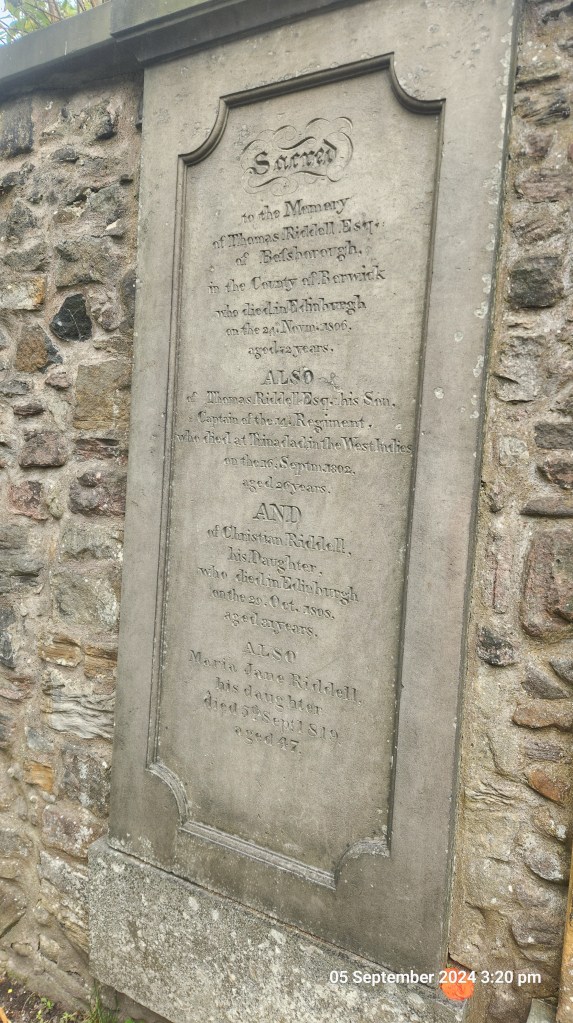

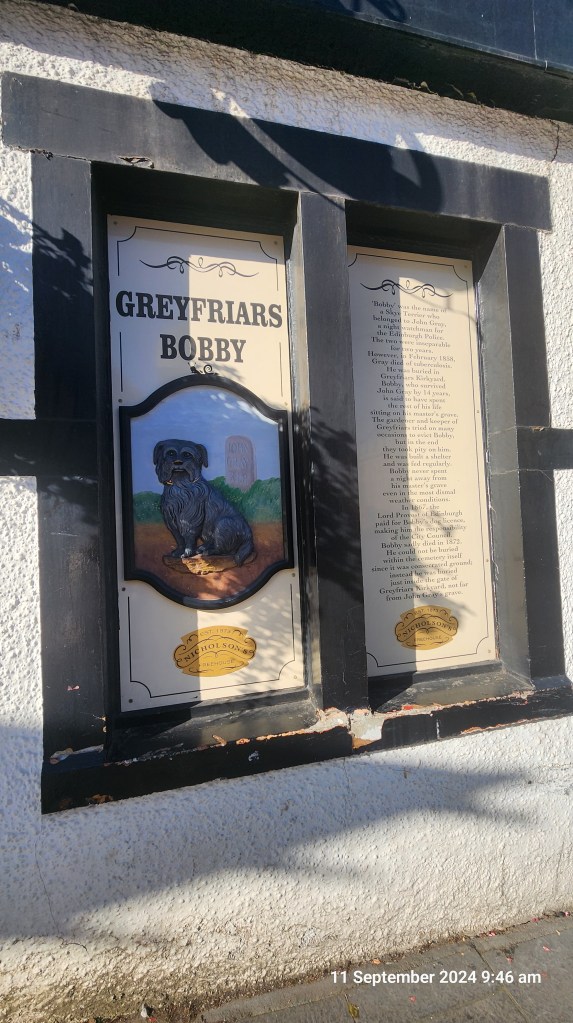
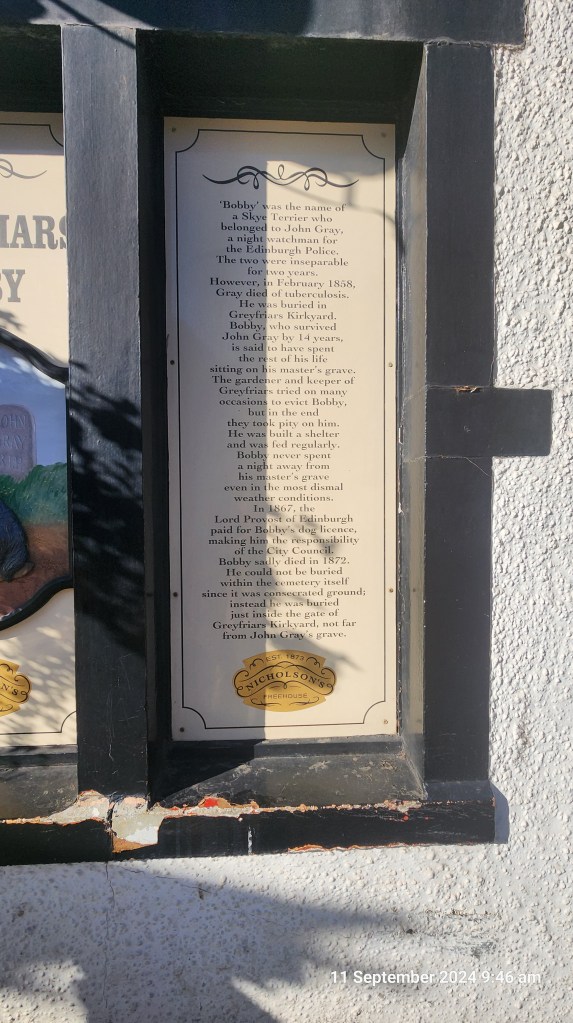
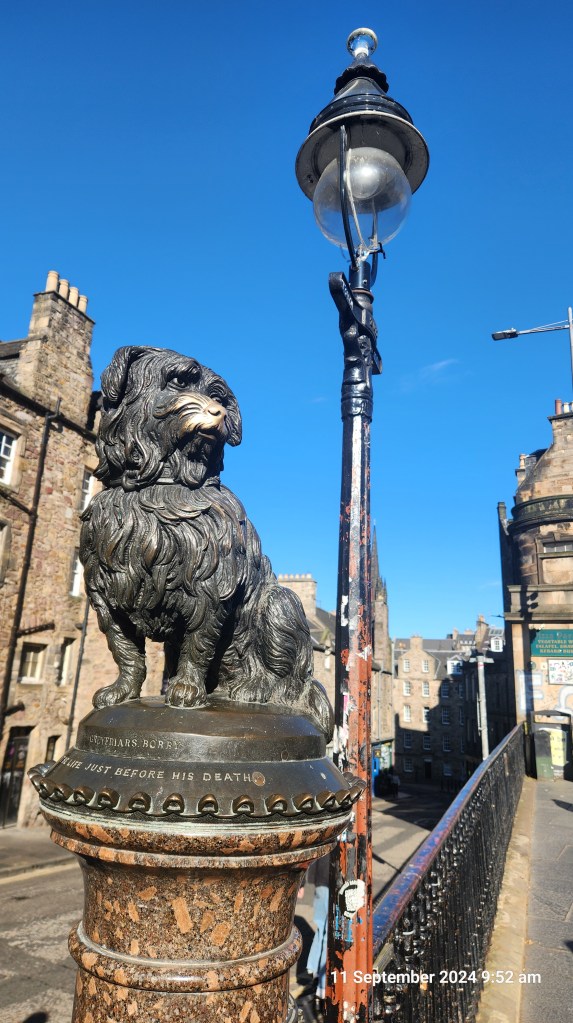
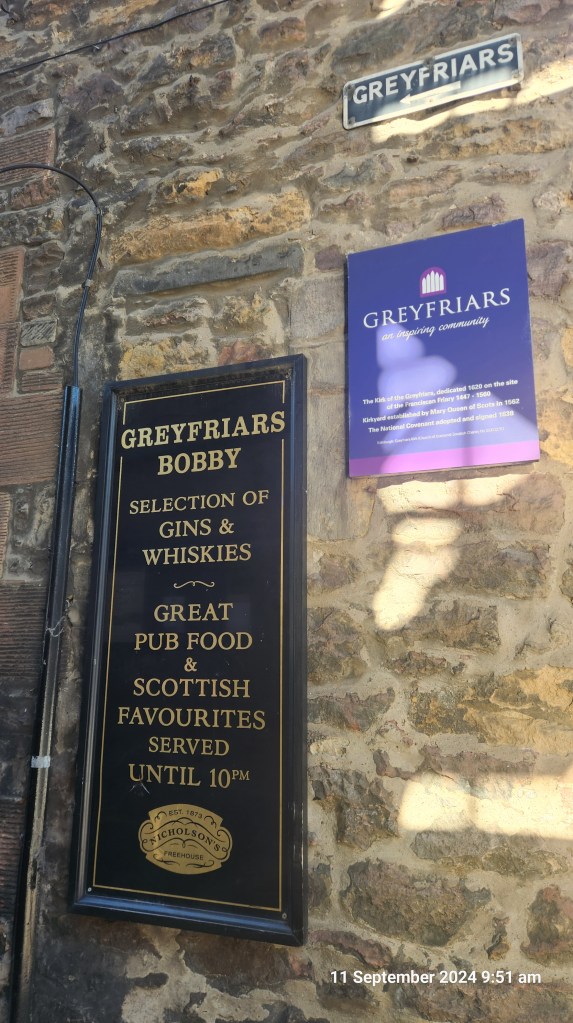
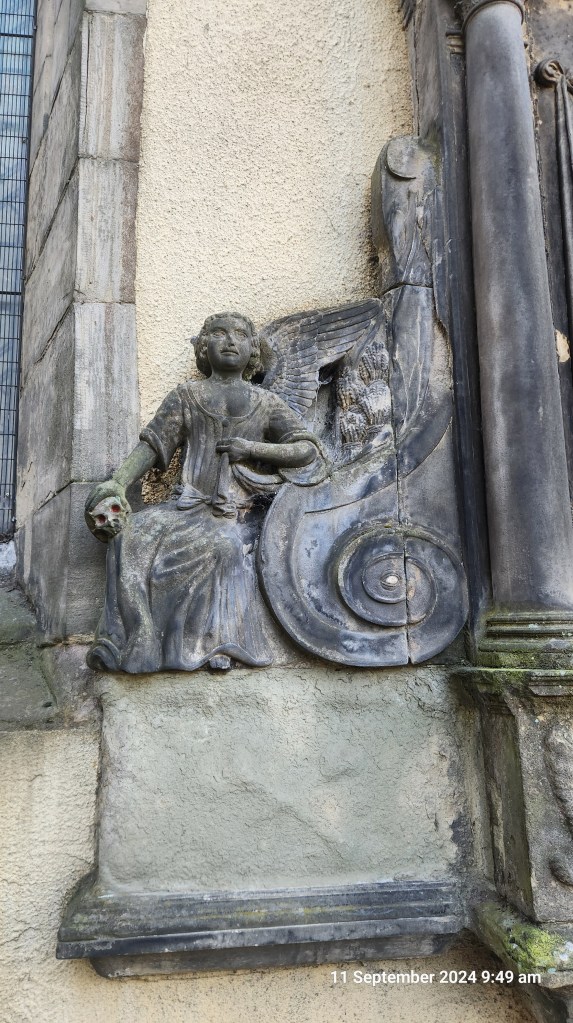


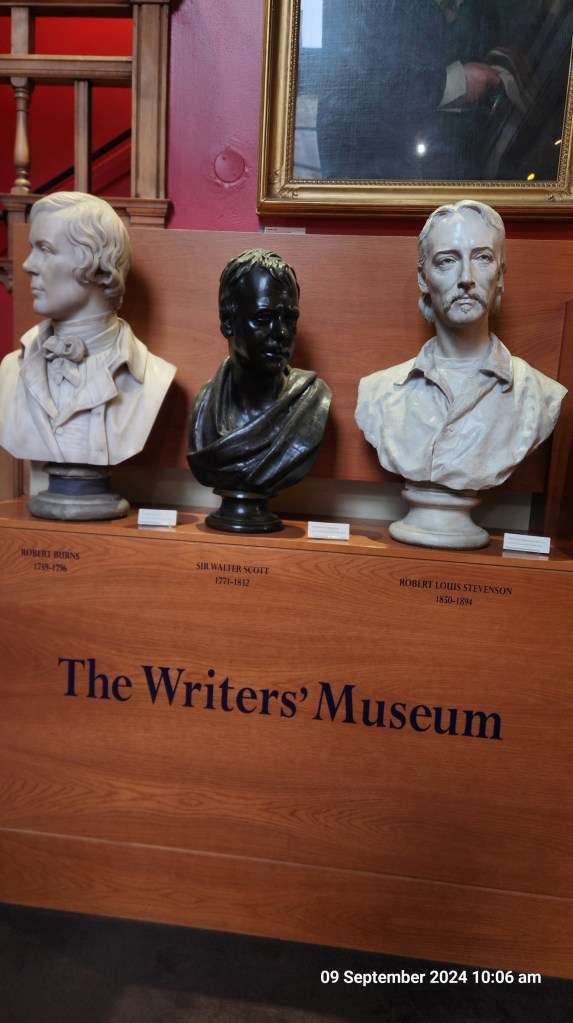
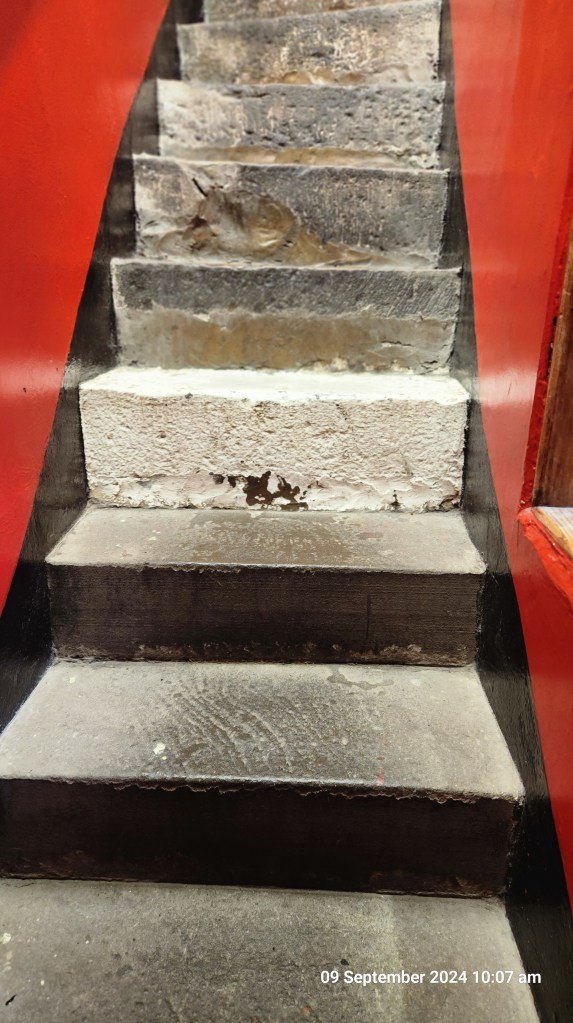
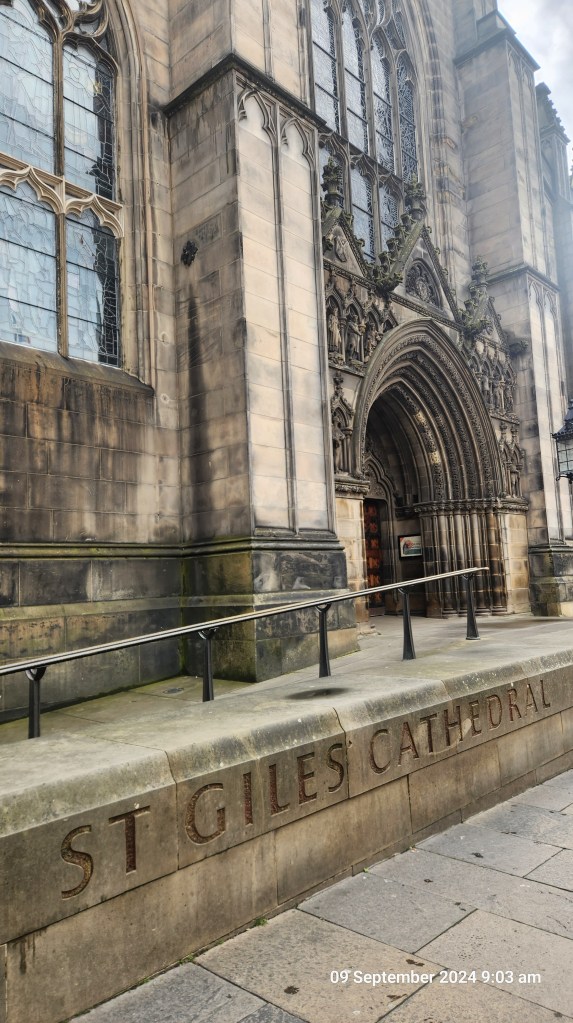
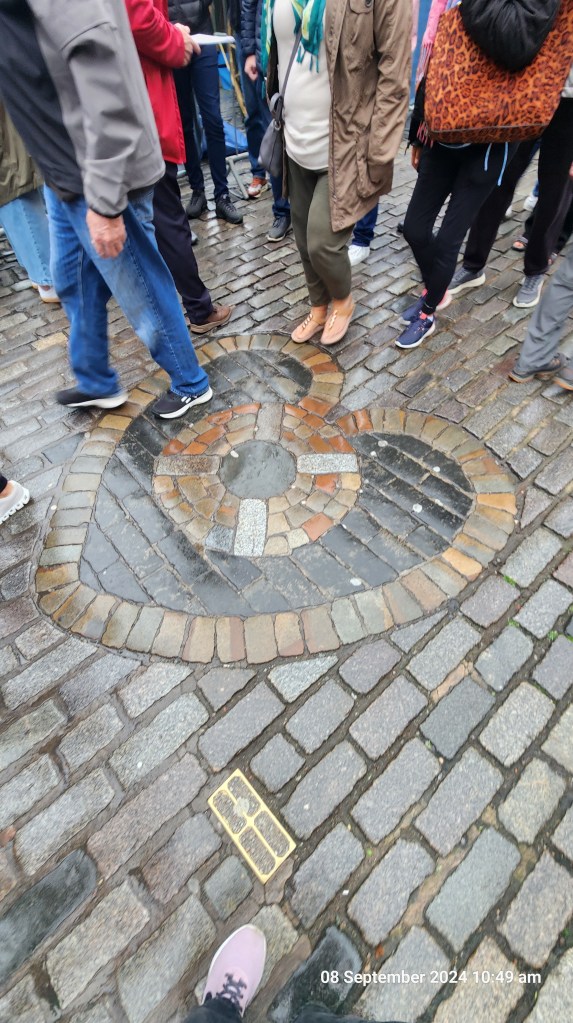
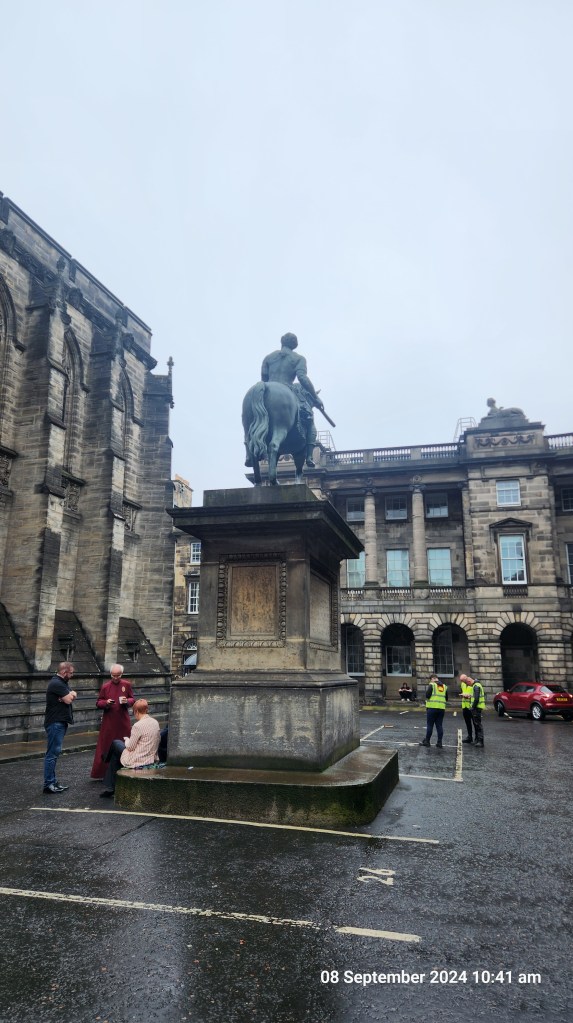

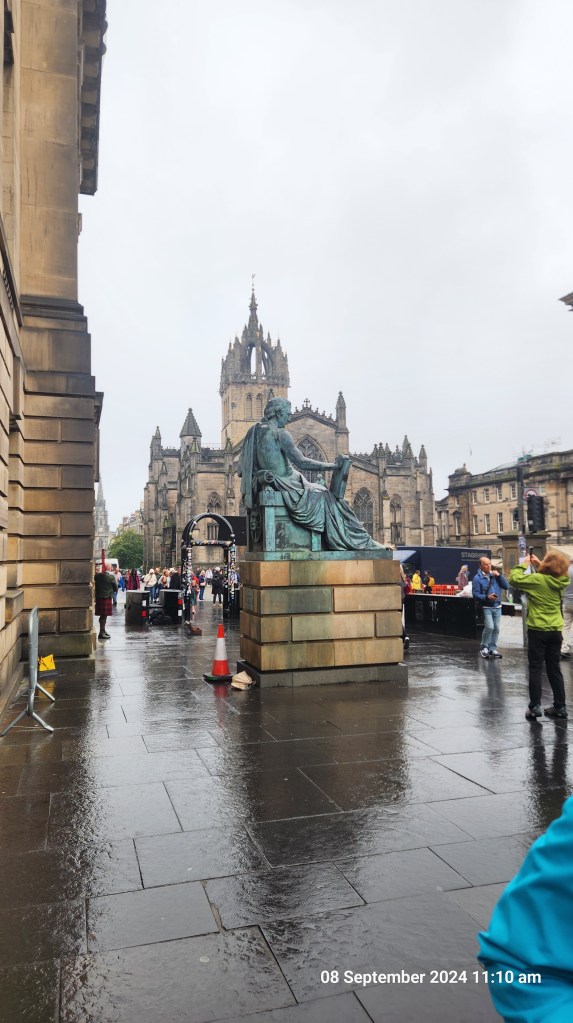
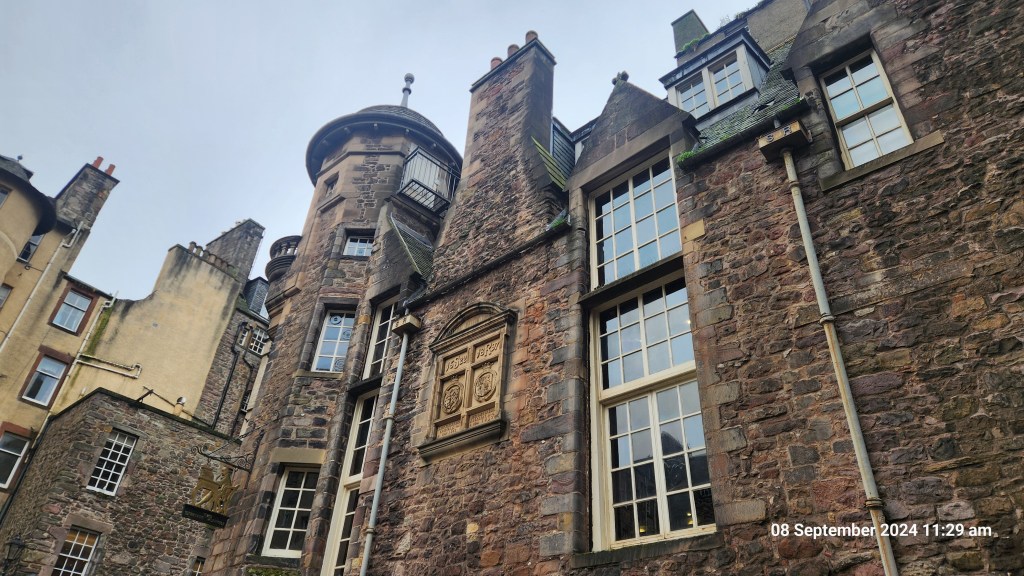


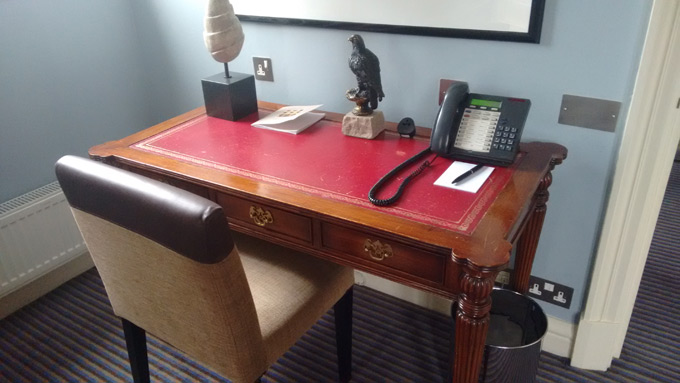
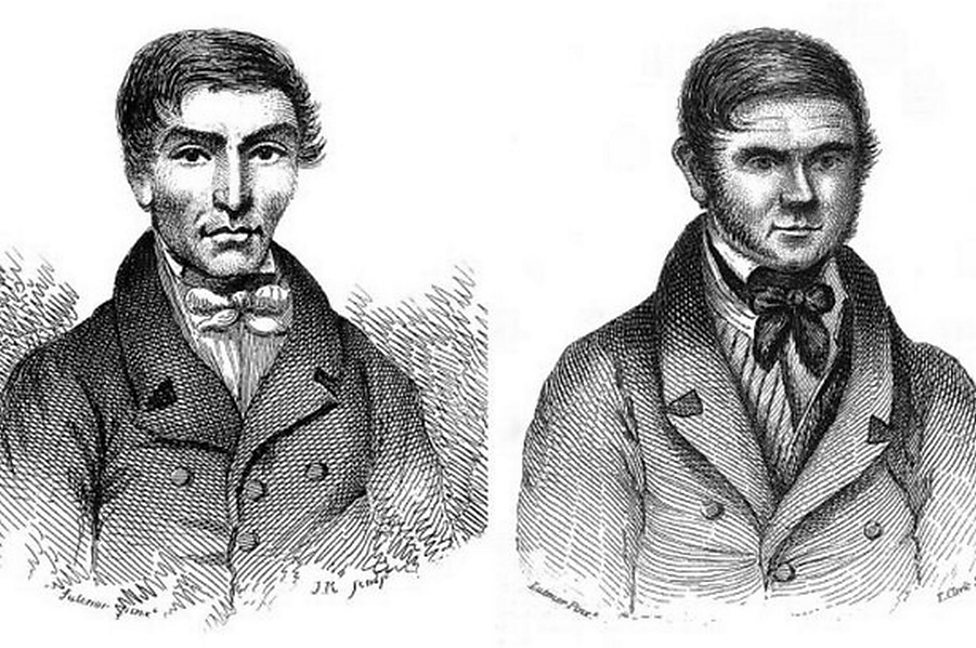
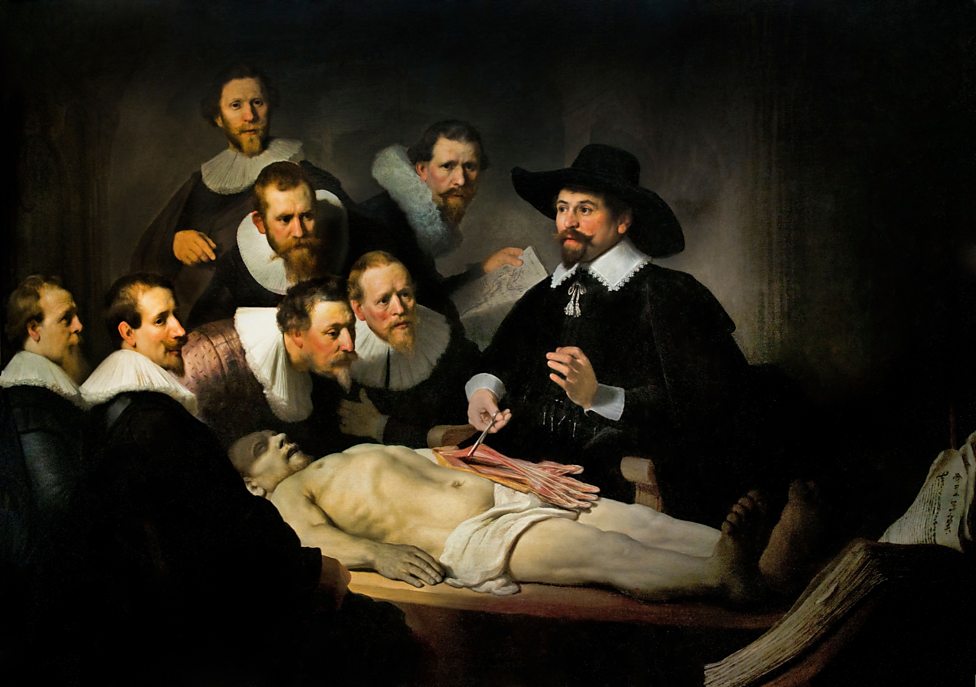

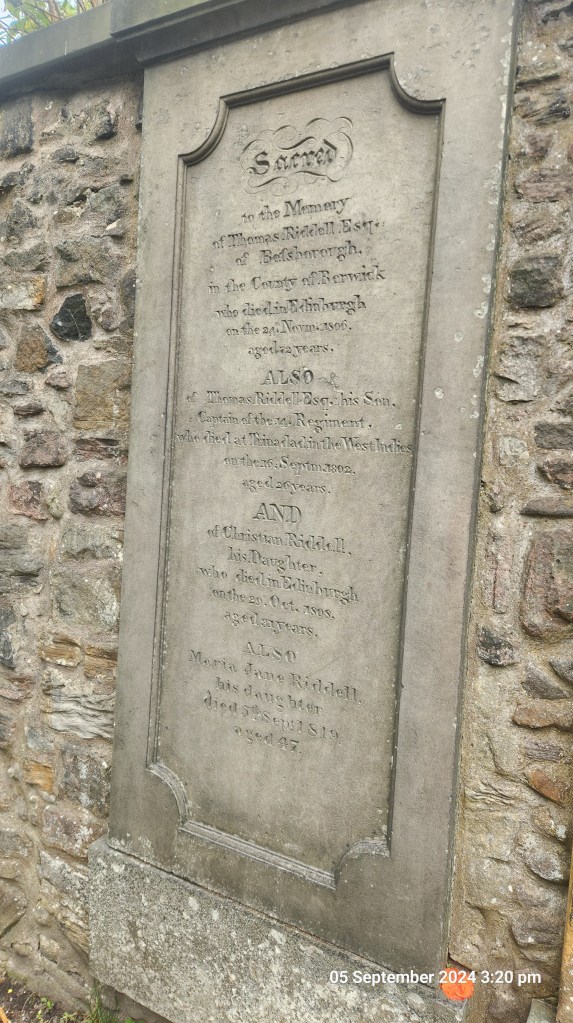


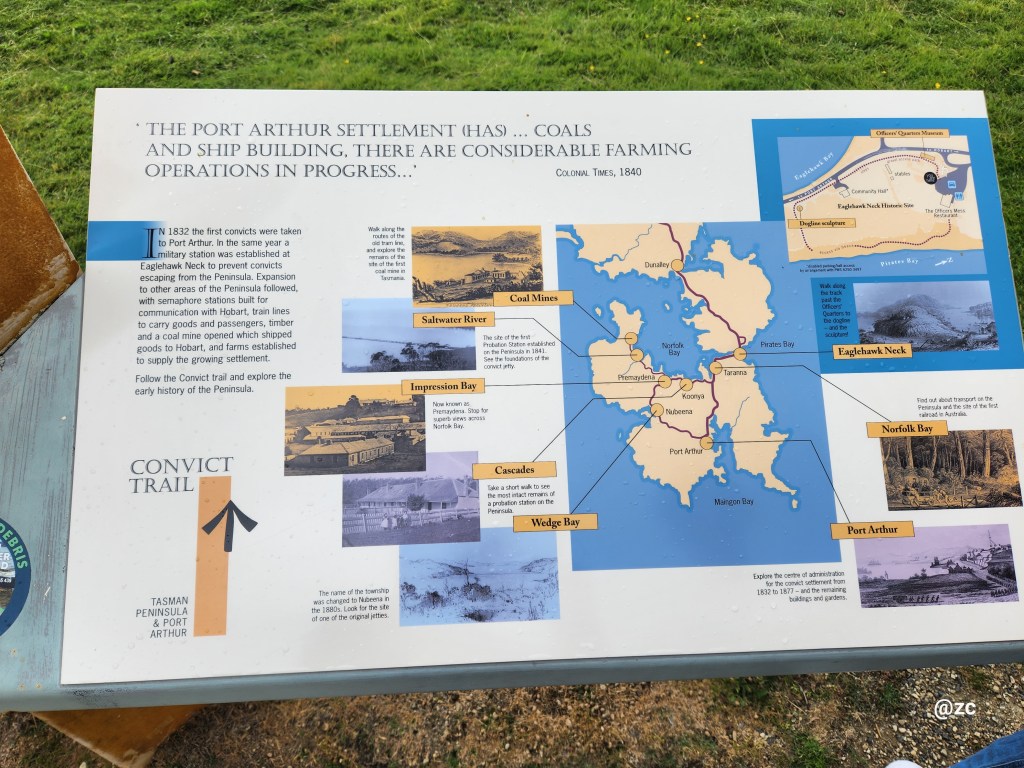




 Every Brilliant Little thing